



- Русский
- English
- Português
How an EdTech Project Cut Student Mentor Workload by 70% and Boosted LTV via One AI Agent
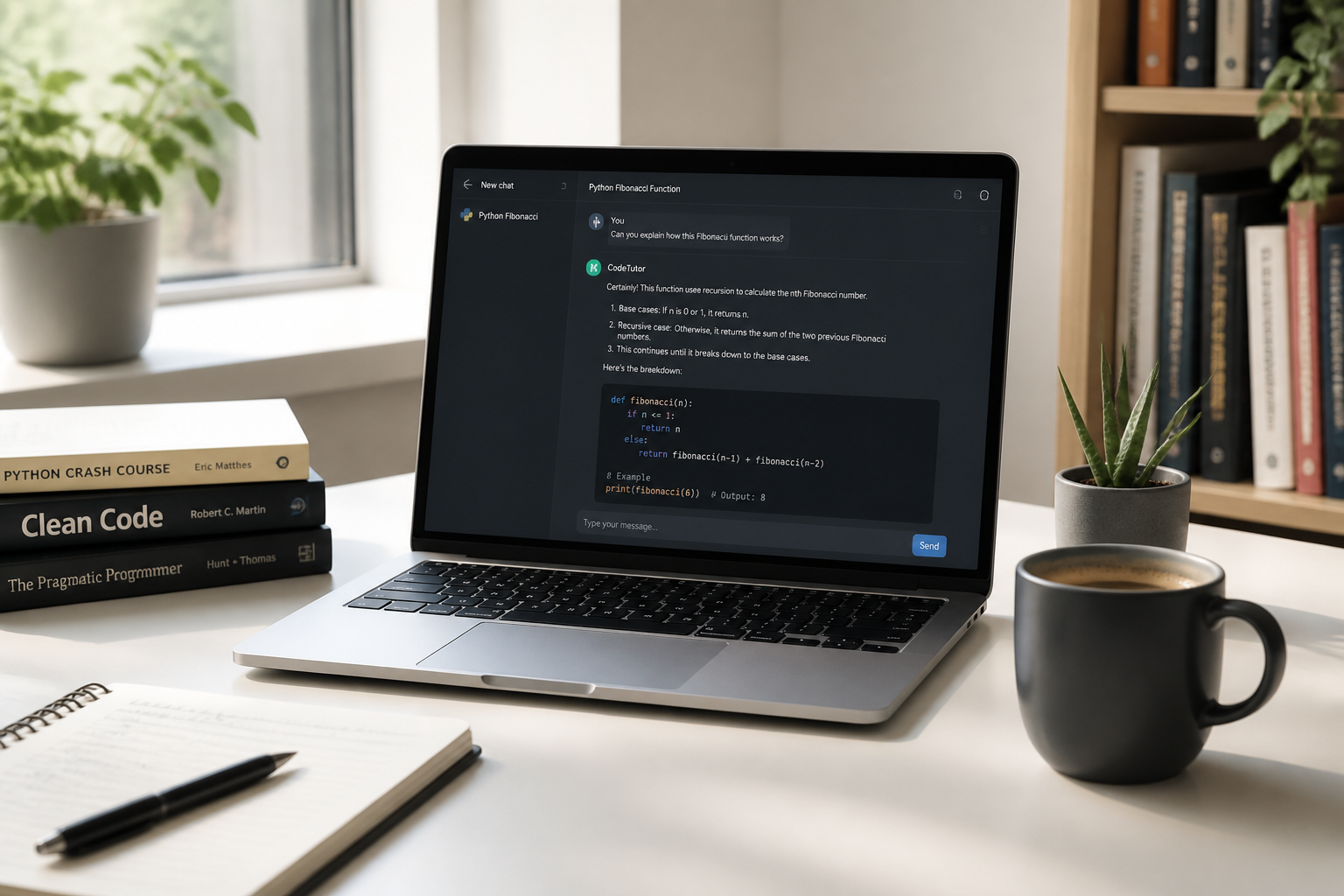

An online coding school. 5000 active students. 10 mentors. And thousands of identical questions in Slack and Telegram every day.
Students got stuck on simple code errors. Mentors replied in 3, 5, or 8 hours. By then, learning motivation vanished. Some dropped the course. Others left angry reviews. Student churn grew, while mentors burned out from endless "why isn't my Docker installing" pings.
Sound familiar for online education?
They fixed it in a week. They put a single AI agent in the student chat. Zero new support staff hired.
The problem: students waiting, mentors drowning in routine
Niche: professional adult education. Average check is 120 thousand. The core value is feedback. But when a mentor takes half a day to reply, that value drops.
70% of beginner questions were standard. Software setup, syntax errors, deadline queries. Senior mentors wasted time on the basics instead of solving complex architecture tasks for advanced modules.
"We lost people in the first month. They lacked attention. Mentors physically couldn't be online 24/7," says the school founder.
The solution: AI agent as Tier-1 technical support
They launched a single AI agent via ASCN. They trained it on the course knowledge base: lectures, documentation, FAQs, and past mentor chat logs.
The agent now lives in the learning chats. It sees a question, analyzes the context, and replies in 20 seconds. Day and night.
It doesn't just throw links at people. The agent analyzes error screenshots, spots missing semicolons, or flags wrong file paths. If a query requires deep expertise, the agent creates a ticket for a human mentor and passes the full chat history. But it closes 7 out of 10 questions automatically.
The results after three months
The numbers that saved the project's unit economics:
- Mentor workload dropped by 70%. They stopped answering the "basics."
- Wait time dropped from 5 hours to 20 seconds. Learning became seamless.
- Student retention grew by 18%. Fewer people drop out due to minor technical hurdles.
- LTV grew as more students reach the finish line and buy advanced modules.
- Positive support reviews increased 4x.
"It was a lifesaver. We scaled student headcount by 2x without hiring a single new mentor," notes the head of education.
Three tips for EdTech
Train the agent on live data. Feed it chat histories from past cohorts. This teaches it to speak your students' language.
Give it access to materials. The agent should reference specific video timestamps or manual pages. This encourages student independence.
Deploy in familiar messengers. It is easier for a student to text Telegram than to log into a website ticket system. Speed is everything.
Conclusion
In education, support is the product. An AI agent made it instant and accurate. Mentors now focus on creativity and complex reviews, while the bot handles the grind. This is modern EdTech manufacturing.

How a Trucking Company Slashing Inbound Support Calls and Saved 200k a Month via One AI Agent

How a Cosmetology Clinic Cut Lead Acquisition Costs by 3x and Hit 95% Doctor Booking Rates Using an AI Agent

How a Furniture Showroom Stopped Losing Instagram Leads and Doubled Sales via One AI Agent

How a B2B Company Cut Operational Costs by 40% and Tripled Conversion Using AI Agents
Agentic AI in Retail: A Complete Guide to Business Transformation
Agentic AI for Manufacturing: The Complete Guide to Autonomous Operations & ROI