



- Русский
- English
- Português
Psychological Traps: How to Avoid Them in Cryptocurrency Trading


about cryptocurrencies.
Psychological Traps: How to Avoid Them in Cryptocurrency Trading
Traders in the cryptocurrency market often incur losses due to psychological traps caused by emotions. These traps distort trading decisions. Data shows that up to 90% of losses occur due to emotional mistakes. In this article, we will discuss how to recognize such traps and overcome them using strategies and analytical tools, including the AI assistant ASCN.AI.

Understanding the Crypto Market
The crypto market is characterized by high volatility: prices change sharply under the influence of news and investor sentiment. Traders fall into traps due to a lack of understanding of these dynamics. Price increases ignite greed, while declines evoke fear. Traders study historical data and market patterns to distinguish real signals from emotional spikes. They analyze trading volumes and on-chain metrics.
With ASCN.AI, traders gain access to indexed data from the Ethereum and Solana blockchains. This allows them to verify positions based on facts rather than emotions. A prompt for the assistant could be: "Analyze the current on-chain signals for BTC: transaction volumes, whale activity, and sentiment in Telegram." The AI's response will indicate whether the interest from real players is growing or if it’s a FOMO trap. This approach helps maintain rationality and avoid impulsive trades.
Main Trading Strategies
Trading strategies structure traders' actions and reduce the influence of emotions. In cryptocurrency, short- and medium-term approaches prevail, where psychological traps are particularly pronounced. The choice of strategy depends on experience: beginners start with simple methods, while experienced traders incorporate risk analysis. Discipline and predetermined rules for entering and exiting positions ensure success.
Scalping
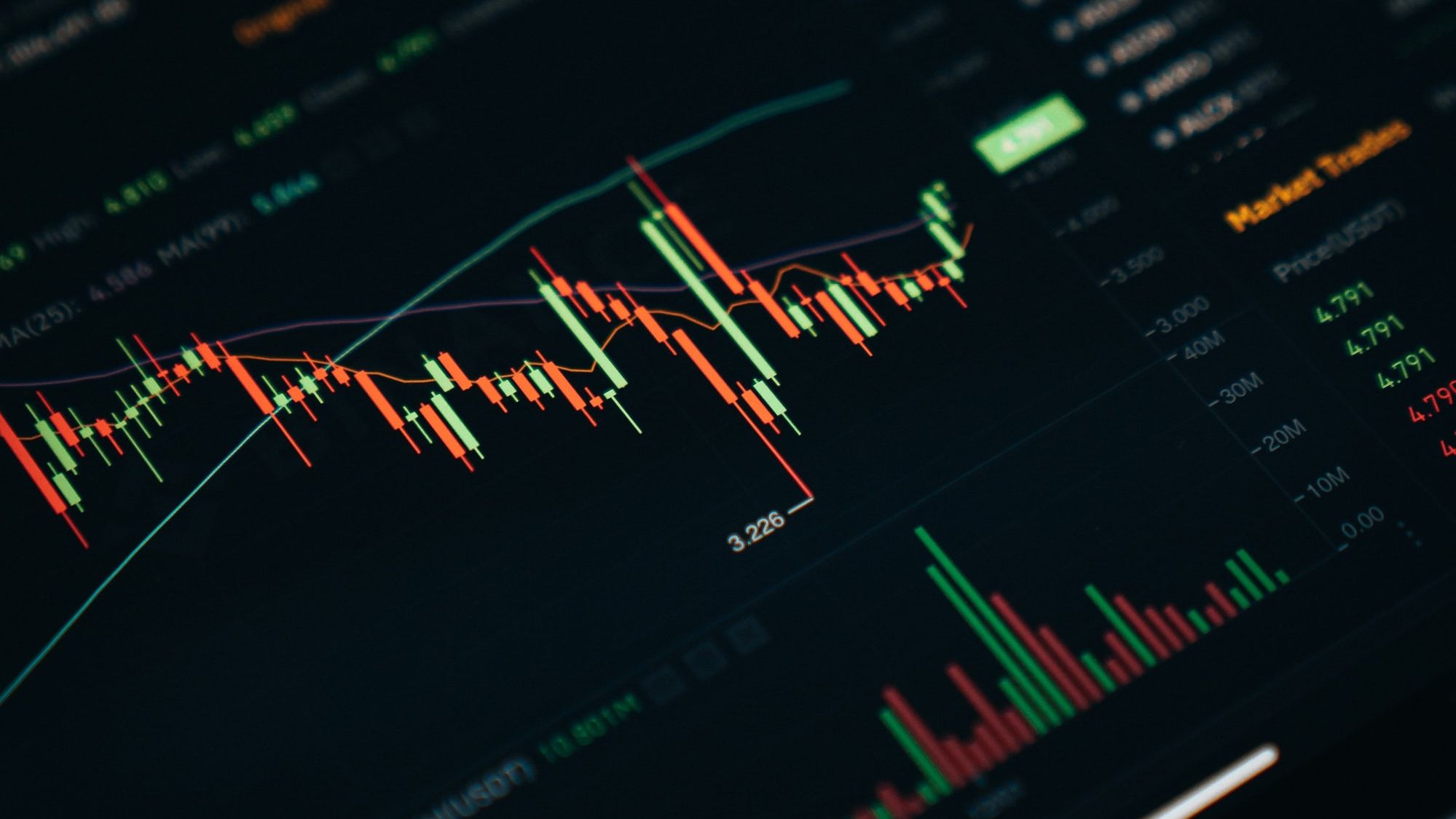
Scalping involves multiple trades per day to capture small price fluctuations. Traders risk overtrading when emotions drive them to open unnecessary positions. They set strict limits on the number of trades and use automated signals. In the crypto market, scalping works well with volatile assets like SOL, but it requires emotional control to avoid losses from false breakouts.
With ASCN.AI, traders optimize their scalping. Prompt: "Give a scalping idea for ETHUSDT on a 5-minute timeframe: key support levels, RSI, and entry scenarios." The AI will respond: "Current structure — consolidation at 3200 USD. RSI at 45, long signal on a breakout at 3220 with a stop at 3180 and a target of 3260. Volumes are increasing, but watch out for FUD from the news." This analysis prevents emotional entries and increases trade accuracy.
Swing Trading
Swing trading captures medium-term market movements, with positions held from days to weeks. The trap here is holding losing positions in hopes of a reversal, which increases stress. Traders use stop-losses and journaling of trades to analyze mistakes. In the crypto market, swing trading is effective during trends driven by news but requires ignoring noise from social media.
ASCN.AI simplifies swing trading by aggregating data from DEX, CEX, and Telegram. Prompt: "Analyze swing opportunities for ADA: fundamental triggers, sentiment, and Fibonacci levels." Response: "News about a partnership with Cardano boosts sentiment by 15%. The 0.618 level is at 0.45 USD, enter long upon volume confirmation, stop below 0.40. Avoid FOMO — wait for on-chain confirmation." Traders focus on data, reducing emotional influence.
The Role of Analytics in Successful Trading
Analytics provide objective data that counteracts emotional traps. Traders relying on technical and fundamental analysis make fewer mistakes. In cryptocurrency, analysis encompasses charts, indicators, and on-chain data to predict price movements. Without analytics, the market appears chaotic, amplifying fear and greed.
Regular position analysis reduces risks and helps traders exit trades timely. Traders integrate data from multiple sources to confirm signals and avoid confirmation bias.
Using AI for Market Analysis
AI accelerates analysis by processing large volumes of data in real time. In cryptocurrency trading, AI identifies patterns that are not accessible through manual review and neutralizes emotions. ASCN.AI, trained on Web3 data, provides insights into sentiment, on-chain metrics, and news. It is a tool that aggregates information from Ethereum and Solana nodes, Telegram, and exchanges.
To navigate psychological traps, use prompts like: "Assess emotional risks for trading BTC: current sentiment, FOMO indicators, and position recommendations." ASCN.AI's response: "Sentiment is neutral, FOMO is low after the correction. Whales are accumulating at $60,000. Recommendation: go long with a 2% risk, stop at $58,000. Avoid panic — historically, corrections last 7-10 days." Such insights help make fact-based decisions, minimizing losses from emotions. For more on AI crypto agents, read our review.
Risk and Emotion Management in Trading
Risk management limits losses, while emotional control prevents impulsive actions. Traders establish rules: not to risk more than 1-2% of capital on a trade and to keep a journal for reflection. In cryptocurrency, with its high volatility, these practices are essential for long-term success. Emotional traps, such as fear of missing out on profits or panic during downturns, lead to exiting at the worst moments.
Integrating AI into management helps: ASCN.AI warns about risks based on data. Prompt: "Develop a risk management plan for a portfolio with ETH and SOL: limits, hedging, and emotional triggers." Response: "Risk per trade is 1%. Hedge with a short futures position if growth exceeds 10%. FUD trigger: if sentiment drops below -20%, pause trading. This will preserve capital in 80% of correction scenarios." Traders recognize traps and respond rationally.
Techniques for Managing Fear and Greed
Fear and greed are the primary emotional traps in trading. Fear prompts early exits from profitable positions, while greed leads to holding onto losing ones. Techniques include meditation for focus, fixed position size rules, and order automation. Traders track the fear and greed index for the crypto market to adjust their behavior.
ASCN.AI enhances control: prompt "Analyze the fear and greed index for altcoins: current levels and strategies to navigate." Response: "Index at 35 (fear). For XRP: avoid selling, enter on dips with volume confirmation. Greed increases with news—secure 50% profit." This helps maintain calmness. Check out Bitcoin case studies for examples.
Alexey Khitrov, founder of ASCN.AI: "Since 2017, I've seen how emotions destroy portfolios. Our AI, based on proprietary nodes, provides objective signals so traders can focus on data rather than feelings."