



- Русский
- English
- Português
Altcoins - Types and When to Buy Them

about cryptocurrencies.
Comprehensive Guide to Cryptocurrency Investments
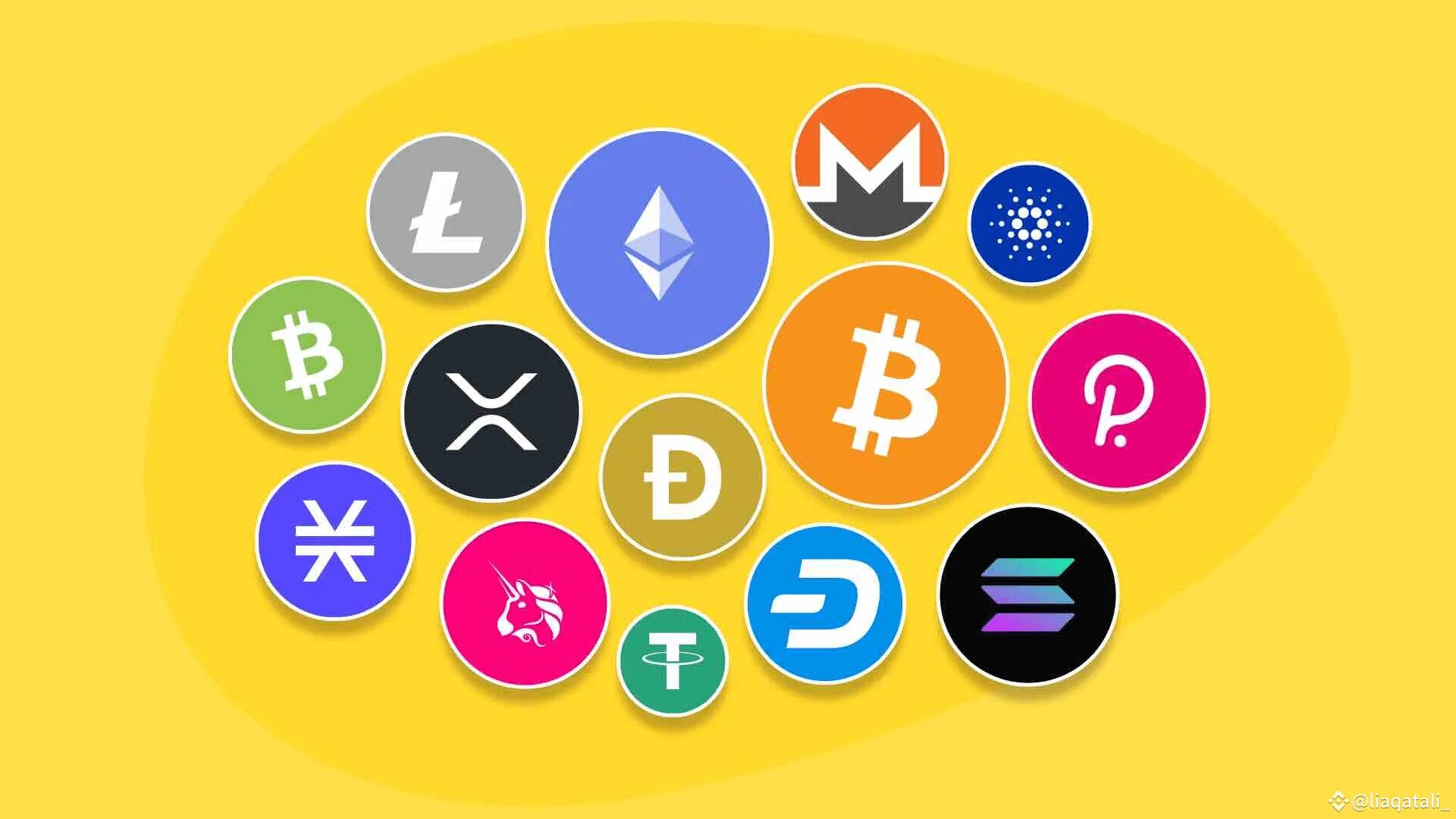
Altcoins are cryptocurrencies other than Bitcoin; their types include platform tokens, utility assets, and stablecoins. Investors purchase altcoins during market cycles when the overall capitalization is rising and Bitcoin's share is declining. In 2025, altcoins are expected to grow due to new decentralized networks and blockchain projects.
Introduction to Cryptocurrencies
Cryptocurrencies operate on a blockchain and allow for decentralized transactions without intermediaries. Altcoins provide investors with various options—from fast networks to tokens for decentralized finance. The market in 2025 is filled with new projects, and altcoins hold a significant share of it. Exchanges like Binance and Coinbase simplify access to them, but successful selection requires data and analysis.
Investing in altcoins is volatile: prices can increase by hundreds of percent within a year. During bullish periods, altcoins often yield higher returns than Bitcoin. Beginners should study tokenomics—the distribution of coins and the role of the development team.
Basics of Blockchain Technology
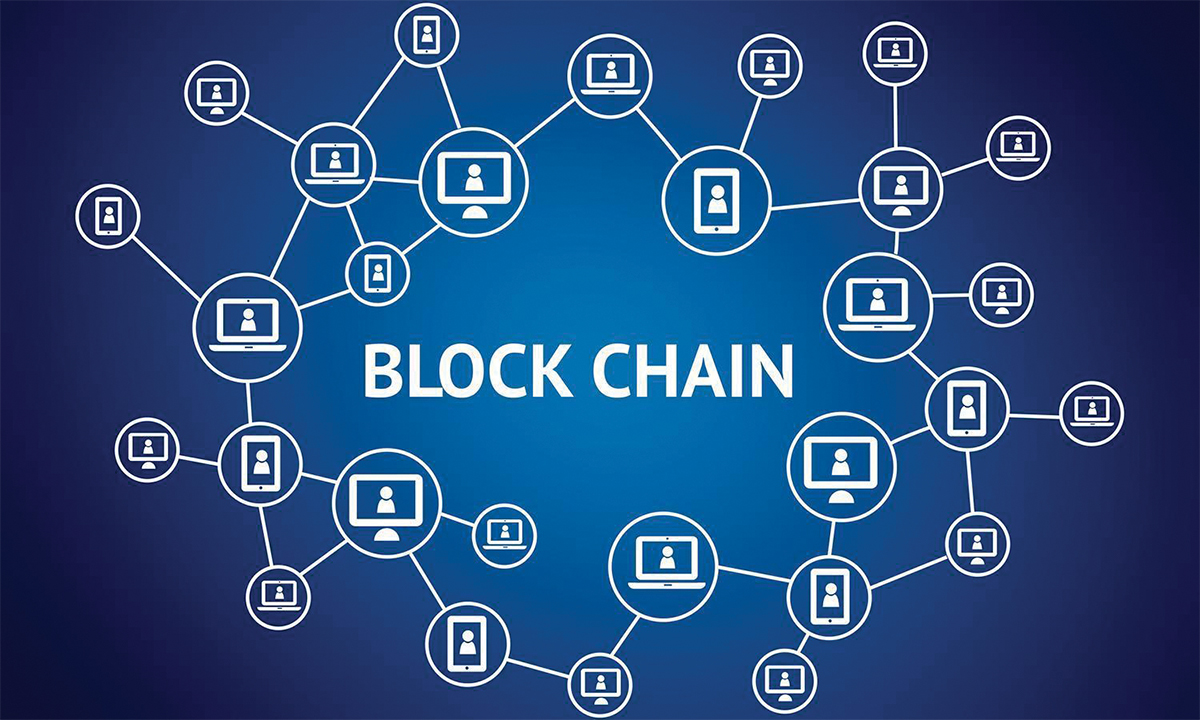
Blockchain supports cryptocurrencies, including altcoins, by recording transactions in an immutable chain of blocks. This technology ensures security and transparency—important qualities for investors in decentralized assets.
How Does Blockchain Work?
Blockchain consists of blocks linked by cryptographic hashes; a network of nodes verifies each transaction. In altcoins like Ethereum, smart contracts automate token exchanges and asset management. The speed varies: Solana handles thousands of transactions per second and keeps fees lower than Ethereum. Developers build ecosystems on the blockchain where tokens are used in DeFi and NFT applications.
On-chain analytics show a rise in activity within altcoin networks: by 2025, daily volume on Solana exceeded $10 billion. Investors monitor these metrics to understand how projects are developing.
Advantages and Risks of Blockchain Technology
Blockchain provides decentralization, which reduces censorship risks, and fast processing for altcoins like Solana. Low fees make it suitable for everyday payments, unlike Bitcoin with its limitations. The development of altcoin ecosystems drives innovation in DeFi and Web3.
Risks include vulnerabilities in smart contracts that can lead to hacks and changes in regulations. The volatility of altcoins can exacerbate losses: in 2022, the market fell by 70%. Investors mitigate risks by diversifying their portfolios and vetting teams, partnerships, and other factors.
Top Cryptocurrencies for Investment
Among altcoins, Ethereum and Solana stand out—they offer scalable platforms for tokens and applications. The choice depends on the approach: Ethereum is good for long-term investments in the ecosystem, while Solana is suitable for quick projects.
Ethereum and Its Features
Ethereum leads in smart contracts; altcoins built on its platform, such as ERC-20 tokens, are easily traded on exchanges. By 2025, updates made the network faster, and fees dropped to $0.01 per transaction. Developers are launching thousands of dApps—from DeFi to NFT markets—which increases demand for ETH.
Investors see Ethereum's market capitalization at around $500 billion; altcoins like Uniswap and Aave are considered promising. Analysis data confirms that during growth periods, altcoins on Ethereum can yield returns of up to 300%.
Ethereum leads among altcoin platforms due to its mature ecosystem and developer support."
Alexey Khitrov, founder of ASCN.AI
Solana as an Alternative to Ethereum
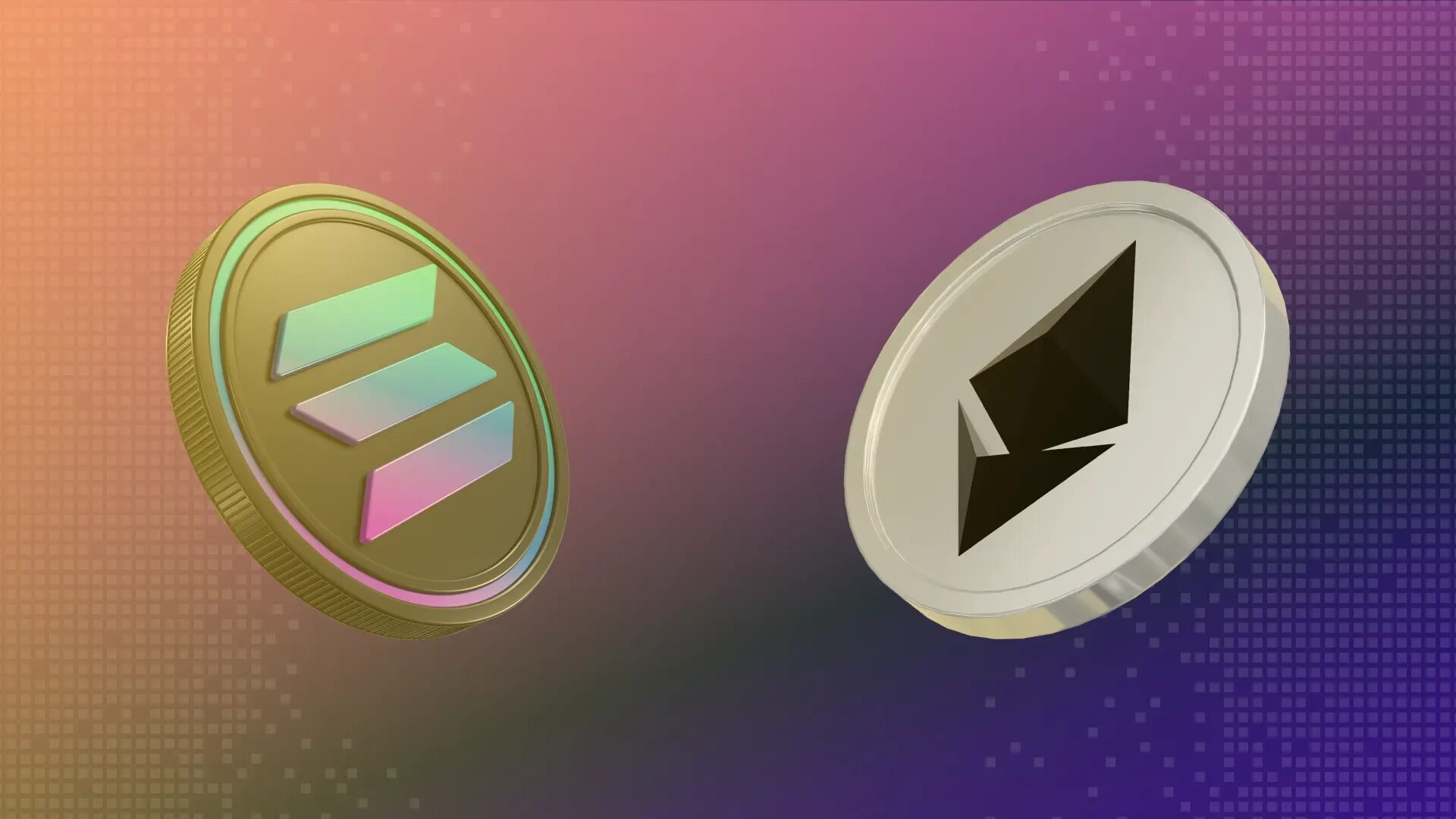
Solana provides up to 65,000 transactions per second with minimal fees, making it ideal for altcoins in gaming and DeFi. In 2025, the network raised $2 billion in investments and launched projects like Serum and Raydium. Tokens such as SOL have increased by 150% over the year due to corporate partnerships.
Altcoins on Solana are focused on mobile applications, where speed is particularly important. On-chain data shows an increase in active users to 5 million—a sign of potential for investors.
Cryptocurrency Investment Strategies
For altcoins, approaches include tracking trends and AI data analysis. Buying during Bitcoin's market share declines often triggers altcoin rallies.
Long-Term vs. Short-Term Investments
Long-term investments in altcoins are based on project growth: holding Ethereum or Solana for 2–5 years yields an average return of 200%. Short-term strategies capitalize on price fluctuations—buying on dips and selling on peaks—but require daily monitoring of news and metrics.
In 2025, altcoins like Cardano are expected to gain 100% during bullish phases. Investors mix strategies, allocating 60% to long-term assets.
Avoiding Common Risks
Among the risks of altcoins are fraud and market manipulation; always check tokenomics and contract audits. Diversify your portfolio: no more than 10% in a single altcoin. On-chain monitoring helps detect suspicious movements by large holders.
Regulatory changes are gaining momentum in the U.S. and EU; keep track of the news. Store assets in cold wallets to protect against hackers.
Examples of AI Use in Cryptocurrency Analytics (ASCN.AI)
ASCN.AI offers AI tools for analyzing altcoins: it combines on-chain data, sentiment from Telegram, and market indicators. The platform scans Ethereum and Solana nodes, providing accurate insights in just 10 seconds.
How ASCN.AI is Changing Data Analysis?
ASCN.AI gathers information from dozens of sources—DEXs, CEXs, and others—to provide a comprehensive view of altcoins. To analyze Solana, use the prompt: "Analyze the last 24 hours for SOL: on-chain activity, sentiment in Telegram, risks, and buy signals." The response covers the number of holders, volumes, and reasons for movement, helping to identify opportunities.
Example response from ASCN.AI: "SOL increased by 5% over the day due to a partnership with Visa; on-chain volume is $2 billion, sentiment is positive (80% in Telegram). Risks: high volatility, but buy signal at $150." Such analysis saves time and eliminates impulsive decisions.
For beginners, a suitable prompt would be: "Explain the types of altcoins in simple terms and when to buy." ASCN.AI will describe utility tokens, platform tokens, and meme coins, advising entry into alt season when BTC's market share falls below 50%.
Advantages of Using ASCN.AI for Investors
ASCN.AI has an edge over general AI like ChatGPT due to access to Web3 data and unique insights on altcoins. Investors receive reports on token unlocks and venture investments—for example, using the prompt: "Top altcoins with unlocks in the next month and trading strategy." Response: "Uniswap—10% supply unlock on March 15; strategy—sell before the event, buy after stabilization."
Benefits include anonymous queries, reliability assessments of sources, and connections with exchanges. ASCN.AI users avoid fraud by checking: "Signs of rug pull in project X." For $29 a month, the service replaces paid analytics like Glassnode and helps set up an altcoin portfolio.
Traders find the prompt useful: "Compare the volatility of altcoins on Binance and KuCoin over the week." ASCN.AI builds a table with differences up to 5% and suggests arbitrage opportunities. This speeds up work by focusing on facts rather than routine tasks.
| Altcoin | Volatility Binance | Volatility KuCoin | Divergence |
|---|---|---|---|
| SOL | 8% | 12% | 4% |
| ADA | 6% | 9% | 3% |
| XRP | 7% | 10% | 3% |
The subscription to ASCN.AI provides 24/7 access to tools and helps make decisions on altcoins based on facts. Try a trial request for AI crypto agents for a detailed analysis.